
Tour de France Final Stage Shortened Amidst Southwestern Wildfires
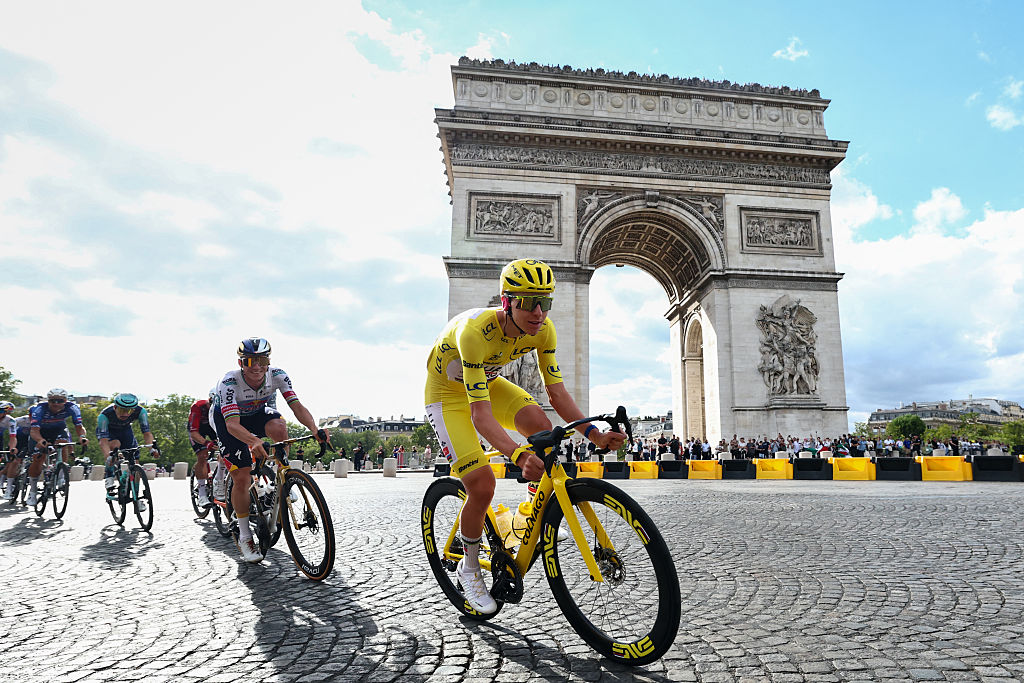
The final stage of the Tour de France in Paris was shortened due to wildfires raging in southwestern France. This disruption, along with earlier stage modifications due to extreme heat, highlights how climate change is forcing adaptations in global sporting…
 Miami Fort Lauderdale, FL, July 26, 2026 —
The conclusion of the Tour de France in Paris experienced an unexpected alteration as the final stage was shortened due to the escalating wildfires in southwestern France. This decision, announced shortly before the event, underscores the growing influence of climate change on major international sporting competitions.
Organizers of the prestigious cycling race cited reasons of national solidarity and the imperative for emergency services to dedicate their resources to combating the wildfires. The need for a modified route was a last-minute adjustment to the event’s schedule.
This disruption comes after earlier stages of the Tour de France were also modified due to extreme heat conditions. These earlier adaptations signaled a trend of sporting events having to contend with adverse weather patterns attributed to a changing climate.
The impact of extreme weather on global sports is not an isolated incident. The trend summary points to other high-profile competitions that have faced similar challenges. The World Cup and Formula 1 racing series, for example, have previously seen events affected by severe weather. These instances have prompted organizations to consider and implement rule adjustments and infrastructural changes. The goal of these adaptations is to better mitigate the effects of rising temperatures and deteriorating air quality, which are becoming increasingly prevalent concerns.
The Tour de France’s route modification serves as a recent, prominent example of how climate change is necessitating a re-evaluation of traditional sporting event formats and preparations across the globe.
Story summarized from the original created by Simmone Shah on time.com, see more information here.
Media gallery
