
Christopher Nolan’s ‘The Odyssey’ Explores ‘Zeus’ Law’ and Guilt
A trending topic in the United States discusses Christopher Nolan's film adaptation of The Odyssey, focusing on how the concept of 'Zeus' Law,' intrinsically linked to the ancient Greek concept of xenia (hospitality), influences the narrative and Odysseus's guilt over…
 Miami Fort Lauderdale, FL, July 17, 2026 —
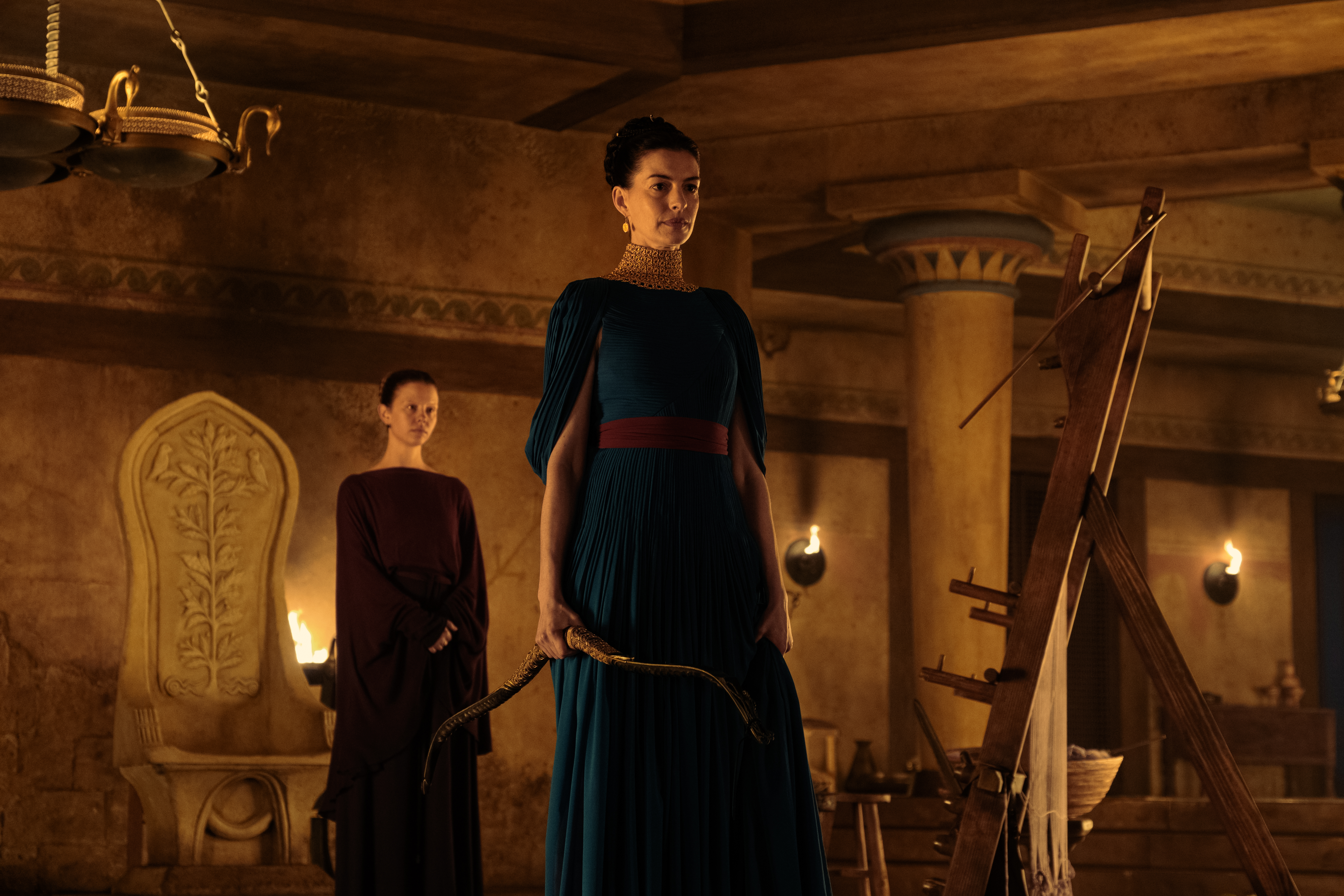
A current discussion in the United States centers on Christopher Nolan’s envisioned film adaptation of Homer’s epic poem, The Odyssey. The adaptation reportedly delves into the ancient Greek concept of ‘Zeus’ Law,’ which is deeply intertwined with xenia, the sacred code of hospitality. This exploration aims to shed light on Odysseus’s internal struggles and his profound guilt stemming from the Trojan Horse incident and the subsequent sack of Troy.
Xenia was a cornerstone of ancient Greek society, dictating proper conduct between hosts and guests. It was crucial for facilitating safe travel and fostering relationships between disparate communities. The summary highlights that transgressions against xenia, such as the mythological abduction of Helen by Paris, were seen as grave offenses that could ignite widespread conflict.
Nolan’s interpretation, as outlined, is said to place significant emphasis on Odysseus’s deep-seated guilt over the violence and the violation of xenia that occurred during Troy’s downfall. This burden of guilt is presented as a primary reason for his prolonged and arduous journey home, contributing to the erosion of this vital societal framework.
Furthermore, the film adaptation is understood to address the broader historical backdrop of the Bronze Age collapse. This period of upheaval led to a significant decline in literacy and the subsequent emergence of a dark age. In this context, oral traditions became paramount for preserving narratives and cultural memory, with epic poems like The Odyssey serving as critical vehicles for transmitting stories across generations during times of widespread societal disruption.
Story summarized from the original created by Eliana Dockterman on time.com, see more information here.
Media gallery

