
LHS 1140b Identified as Most Earth-Like Exoplanet Discovered
Scientists have identified exoplanet LHS 1140b, located 48 light-years away, as the most Earth-like planet discovered to date. This rocky planet orbits within the habitable zone of its red dwarf star, possesses an atmosphere containing helium and potentially other gases…
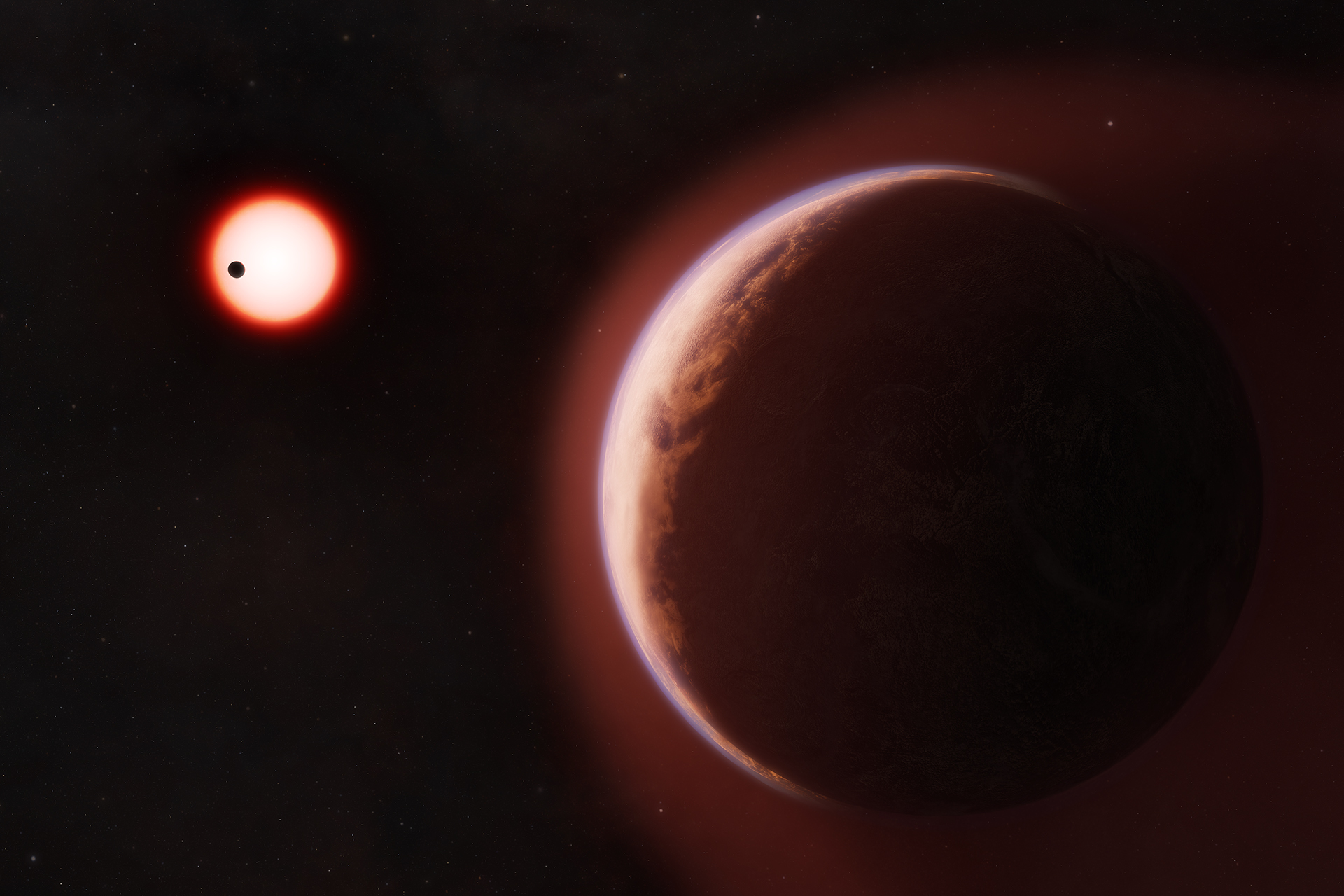
 Miami Fort Lauderdale, FL, July 16, 2026 — Astronomers have pinpointed exoplanet LHS 1140b, situated approximately 48 light-years from Earth, as the most Earth-like planet identified in current scientific exploration. This celestial body is characterized as a rocky planet and orbits within the habitable zone of its parent star, a red dwarf.
The habitable zone is the region around a star where conditions might be suitable for liquid water to exist on a planet’s surface. LHS 1140b’s position within this zone is a key factor in its designation as highly Earth-like.
Further analysis indicates that LHS 1140b possesses an atmosphere. Initial observations suggest the presence of helium, with possibilities of other gases such as carbon dioxide and oxygen also being components of its atmosphere. The precise composition of this atmosphere is a subject of ongoing scientific interest.
The planet also receives a level of X-ray radiation from its red dwarf star that scientists deem manageable. This balance of radiation is considered favorable for the potential development or sustenance of life, distinguishing it from other exoplanets where radiation levels might be prohibitive.
Due to these combined characteristics—its rocky composition, orbit within the habitable zone, the presence of an atmosphere, and a manageable radiation environment—LHS 1140b is considered a significant target in the ongoing search for extraterrestrial life. Its proximity and Earth-like attributes make it a compelling candidate for future observational studies aimed at detecting biosignatures.
Story summarized from the original created by Jeffrey Kluger on time.com, see more information here.
Media gallery

