
X-SENSE Highlights the Hidden Dangers of Carbon Monoxide and How to Keep Families Safe at Home
Home safety guidance addresses common sources of carbon monoxide, early poisoning symptoms, proper alarm placement and
Press Release Disclaimer: This is a press release distributed through the XPR Media network. It has not been independently verified by our newsroom.
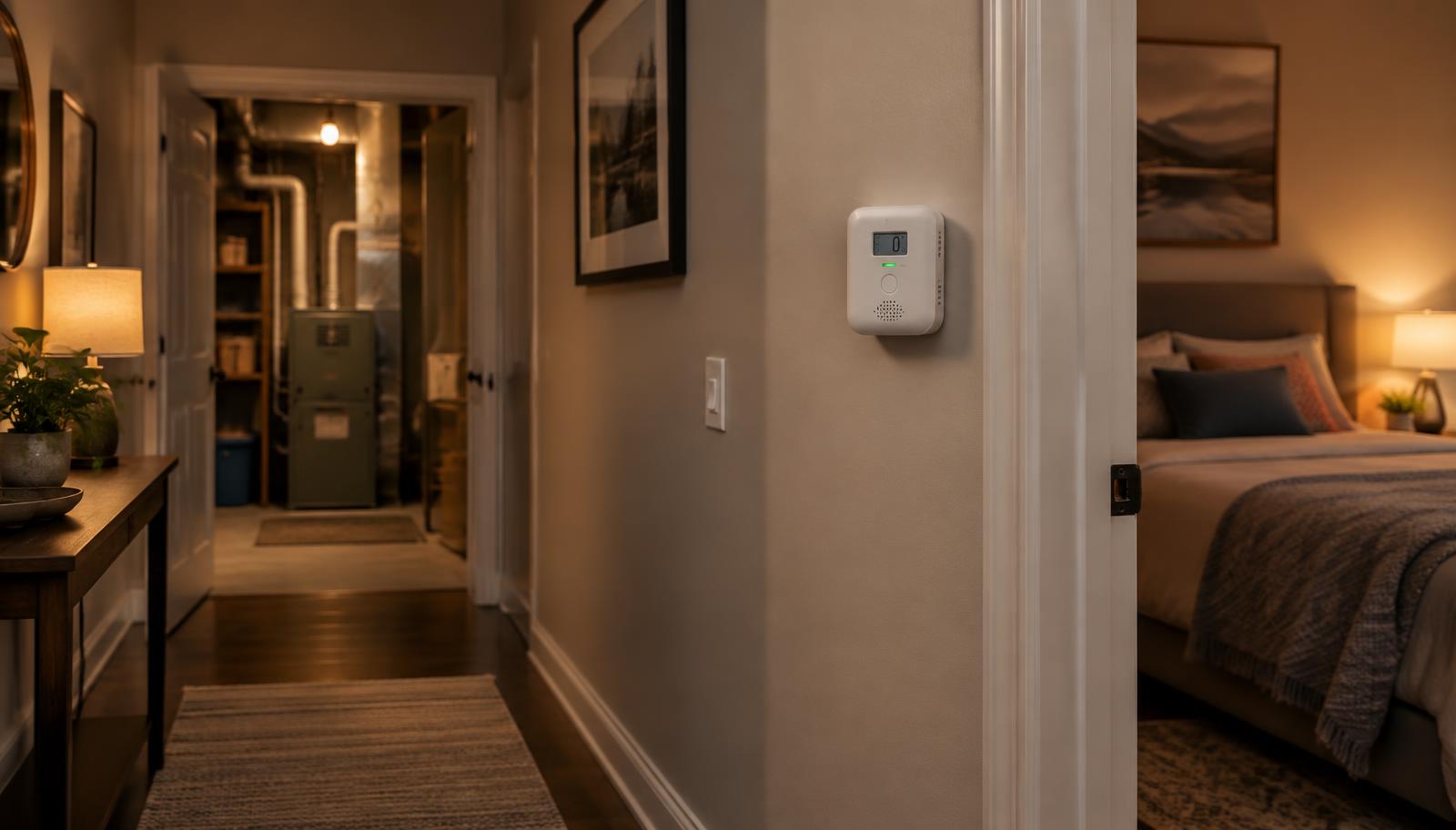

Home safety guidance addresses common sources of carbon monoxide, early poisoning symptoms, proper alarm placement and practical prevention measures.
WILMINGTON, Del., Nov. 16, 2026 — X-SENSE ELECTRONICS is sharing essential home safety guidance to help households understand the hidden dangers of carbon monoxide (CO) and take practical steps to reduce exposure risks. The recommendations focus on identifying common sources of carbon monoxide, recognizing possible poisoning symptoms, maintaining fuel-burning appliances and using carbon monoxide alarms as an additional layer of protection.
Carbon monoxide is particularly dangerous because it has no color, smell or taste. Without appropriate detection equipment, harmful concentrations can accumulate indoors without residents realizing that something is wrong.
Understand Where Carbon Monoxide Comes From
Carbon monoxide is produced when fuels such as natural gas, propane, oil, wood or charcoal burn incompletely. Common household sources include malfunctioning furnaces, gas water heaters, fireplaces, fuel-burning stoves and portable generators.
Poor ventilation, blocked chimneys and damaged exhaust systems can increase the possibility of carbon monoxide entering living spaces. Vehicles left running in attached garages may also create dangerous conditions, even when the garage door is open.
The Centers for Disease Control and Prevention (CDC) recommends having heating systems, water heaters and other fuel-burning appliances inspected annually by qualified professionals.
Homeowners should also keep ventilation openings clear and avoid using equipment designed for outdoor operation inside their homes.
Recognize the Early Symptoms of Exposure
Carbon monoxide poisoning can be difficult to identify because its early symptoms often resemble common illnesses.
Headaches, dizziness, fatigue, nausea, weakness and confusion are among the symptoms associated with exposure. More serious poisoning may cause vomiting, chest pain, loss of consciousness or death.
According to the CDC, infants, older adults and people with certain existing health conditions may be particularly vulnerable to carbon monoxide exposure.
Residents should pay attention when several household members experience similar unexplained symptoms, especially if those symptoms improve after leaving the building.
However, symptoms alone cannot reliably confirm carbon monoxide exposure. Anyone who suspects poisoning should move outdoors to fresh air immediately, contact emergency services and seek medical evaluation rather than attempting to identify the source themselves.
Install Carbon Monoxide Alarms in Appropriate Locations
Because carbon monoxide cannot be detected through human senses, dedicated monitoring equipment plays an important role in household safety.
The U.S. Consumer Product Safety Commission (CPSC) recommends installing carbon monoxide alarms on every level of a home and outside sleeping areas.
Homeowners considering a carbon monoxide detector should evaluate their property’s layout, sleeping arrangements and potential sources of fuel-burning emissions.
Placement should follow the manufacturer’s installation instructions. Alarms should not be installed where furniture, curtains or other objects could obstruct their operation.
For homes with multiple floors or separated sleeping areas, additional alarms may provide more comprehensive coverage.
Carbon monoxide alarms are designed to provide warnings when certain concentrations are detected. They do not prevent carbon monoxide from forming or replace professional appliance inspections.
Use Reliable Detection as an Additional Safeguard
Modern carbon monoxide alarms offer different power options, display features and maintenance requirements.
X-SENSE XC0K-SN standalone carbon monoxide alarm uses an electrochemical sensor to monitor carbon monoxide levels and includes a sealed, non-replaceable battery designed for a 10-year service life.
According to X-SENSE product information, the device includes a digital display, a peak-level function and a test/silence button. The peak-level feature allows residents to review the highest recorded carbon monoxide concentration.
The XC0K-SN operates independently without requiring a Wi-Fi connection or separate base station. It does not provide smartphone notifications or wireless alarm interconnection.
While these features can support household monitoring, residents should continue following recommended inspection and maintenance practices. No alarm can replace the need to address unsafe fuel-burning appliances or ventilation problems.
Maintain Appliances and Practice Everyday Prevention
Preventing carbon monoxide exposure requires consistent attention to household equipment and everyday habits.
Heating systems, chimneys, fireplaces and gas appliances should be inspected and maintained according to professional recommendations. Residents should arrange repairs when equipment shows signs of malfunction rather than continuing to operate potentially unsafe appliances.
Portable generators should always be operated outdoors, at least 20 feet away from the home, with exhaust directed away from doors, windows and vents, as recommended by the CPSC.
Charcoal grills and portable fuel-burning heaters not approved for indoor use should never be operated inside living spaces or enclosed garages.
Homeowners should also test carbon monoxide alarms according to manufacturer instructions, respond promptly to fault warnings and replace devices when they reach the end of their recommended service life.
Know What to Do When an Alarm Sounds
A sounding carbon monoxide alarm should always be treated seriously.
Household members should leave the building immediately, move to fresh air and contact emergency services from a safe location. Residents should not re-enter the property until emergency responders or qualified professionals confirm that it is safe.
Testing alarms regularly, maintaining appliances and discussing emergency procedures with family members can help households respond more effectively.
Carbon monoxide safety depends on prevention, early warning and prompt action. Understanding potential hazards and maintaining appropriate detection equipment can help families reduce the risk of dangerous exposure.
About X-SENSE
Founded in 2013, X-SENSE has safeguarded more than 15 million households worldwide with its comprehensive range of smoke alarms, carbon monoxide detectors and environmental sensors. Backed by international certifications and designed for long-term reliability and user convenience, X-SENSE is committed to delivering innovative safety solutions for every home.
Media Contact
Company Name: X-SENSE ELECTRONICS LLC
Contact Person: Martin
Email: partners@x-sense.com
Website: https://www.x-sense.com/
State/Country: Delaware, United States
